Cool Underfoot: Marble and Porcelain Floors in Dubai
Stone floors here are not a style decision; they are climate response. On marble's honest maintenance, porcelain's quiet competence, and the rug that makes both of them liveable.
, Dubai
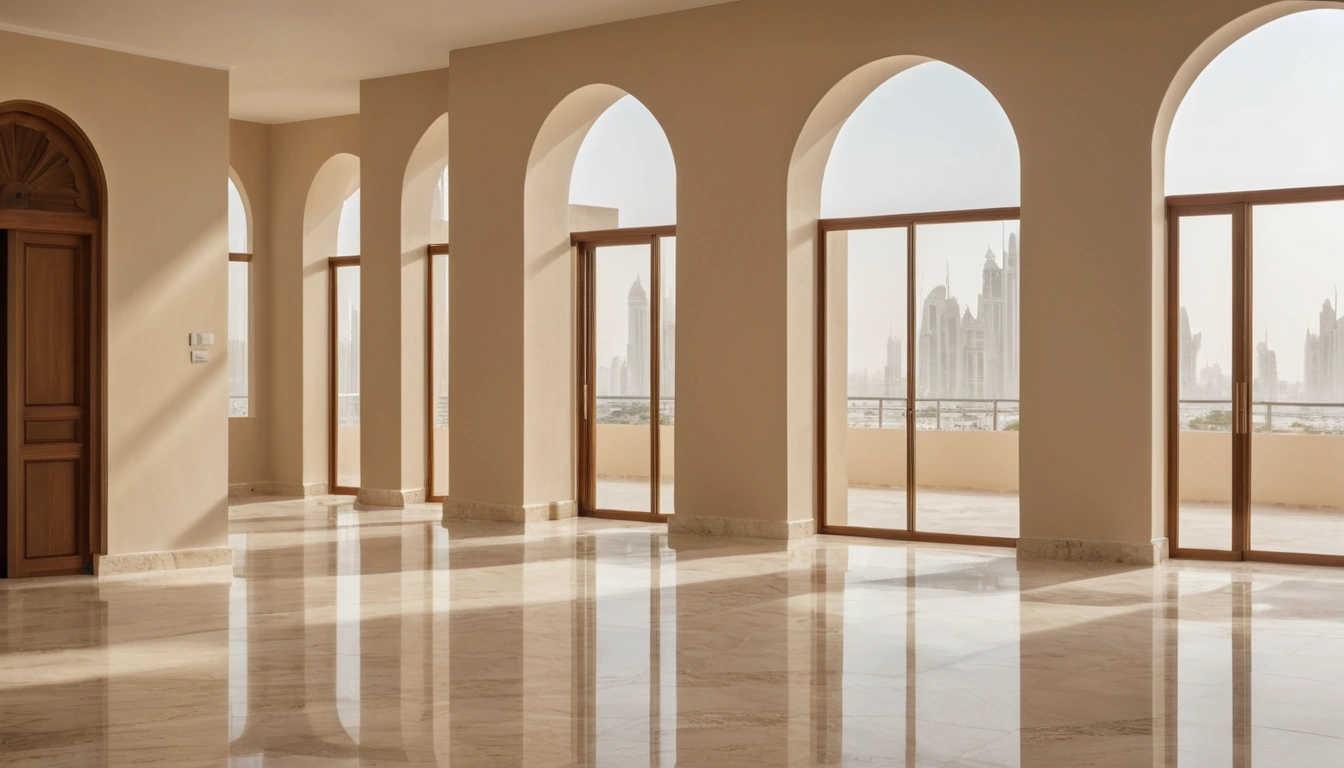
Take your shoes off at the door of almost any flat here, as custom and comfort both suggest, and the floor announces the climate before the thermostat does: hard, pale, cool. Marble and porcelain floors in Dubai are not a taste that happened to sweep the market; they are what a nine-month summer, a fine daily film of desert dust and an air-conditioning economy select for when nobody is being sentimental. Carpet holds heat and dust, timber moves, and stone simply lies there being cool, which for most of the year is the whole job description.
Why Stone Won
Hard flooring suits sealed, conditioned rooms for reasons that stack politely on top of each other. Stone and porcelain hold no warmth against the AC, shed the dust that arrives through every door seam, take a mop instead of a vacuum-and-shampoo regime, and survive the furniture-dragging churn of a rental market where tenants move often. There is also the barefoot argument, the one people actually feel: on an August evening, the floor is the coolest object in the room, and everyone in the household knows it.
Pale stone does one more quiet job. It anchors the light, mineral scheme this climate keeps suggesting, the one that borrows its colours from the desert outside instead of arguing with it.
Marble, Honestly
Real marble is calcium carbonate, and calcium carbonate reacts with acid. Lemon juice, vinegar, wine and a surprising number of supermarket cleaners will etch the surface: not a stain but a dull mark where the polish itself has been dissolved, and no sealer prevents it, because sealing slows liquids soaking in but does nothing about chemistry happening on top. A honed, matte finish hides this biography far better than a mirror polish, which is why honed marble is the sensible choice anywhere near food and drink.
Sealing still matters for stains rather than etching, and wants repeating, once a year or so in living areas, more often where oil and coffee live. Owners who love marble learn to describe the accumulating marks as patina. Owners who cannot make peace with that word should keep reading, because porcelain was invented for them.
Porcelain and the Levelling Question
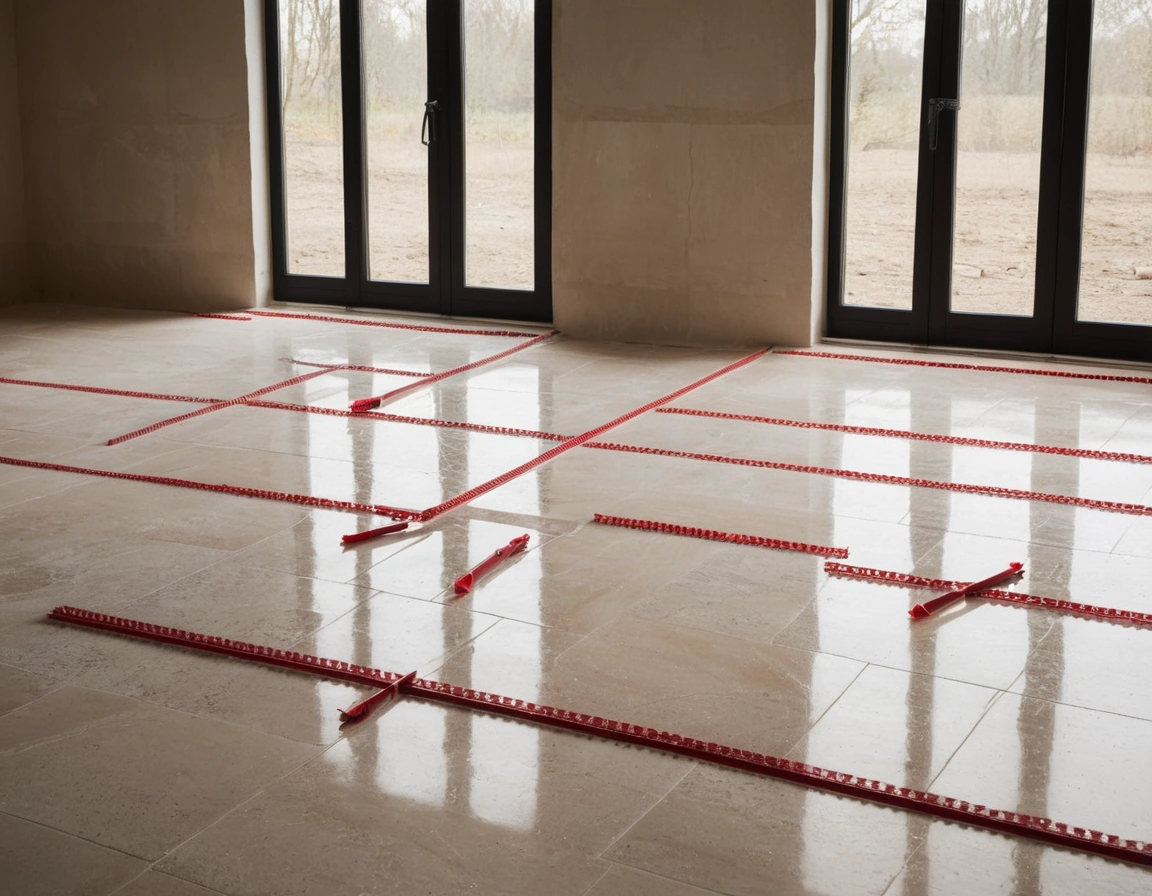
Porcelain is the unsentimental performer: denser than natural stone, indifferent to acid, colour-fast under the harshest window in the flat and cheap to run for decades. Its demands all arrive on installation day. Large-format tiles, and the market now defaults to formats of 1200 millimetres and up, exaggerate every flaw beneath them, so they need a genuinely flat screed, a levelling-clip system and a tiler who has laid big formats before rather than one about to learn on your floor. Laying large porcelain well can cost as much as the tile itself, and that is the correct order of priorities.
Hollow-sounding corners are the tell of a rushed job and the crack of two years later. Tapping the floor tile by tile is exactly the sort of unglamorous diligence a proper handover snagging pass exists for, and it is much easier to argue about before the furniture arrives.
Wood, Real and Pretend
Timber under air-conditioning is a marriage that works only with steady habits. Engineered boards, a real wood face over a stable core, cope far better than solid planks, but what actually opens gaps and cups boards is swing: humidity dropping hard while the AC runs cold and dry, then climbing again when the system idles through a holiday. Keep the indoor climate steady, one more argument for air-conditioning serviced on an actual schedule, and engineered wood behaves well; let the flat swing between conditions and the floor keeps a diary.
Wood-look porcelain takes the risk out and some of the pleasure with it. The plank format and printed grain are convincing to the eye, rather less so to a bare foot or a dropped glass. The honest split is by room: porcelain’s practicality where life happens and spills, real timber in bedrooms, where warmth underfoot at six in the morning is the entire point and the maintenance risk is lowest.
The Softening Layer, and Villas
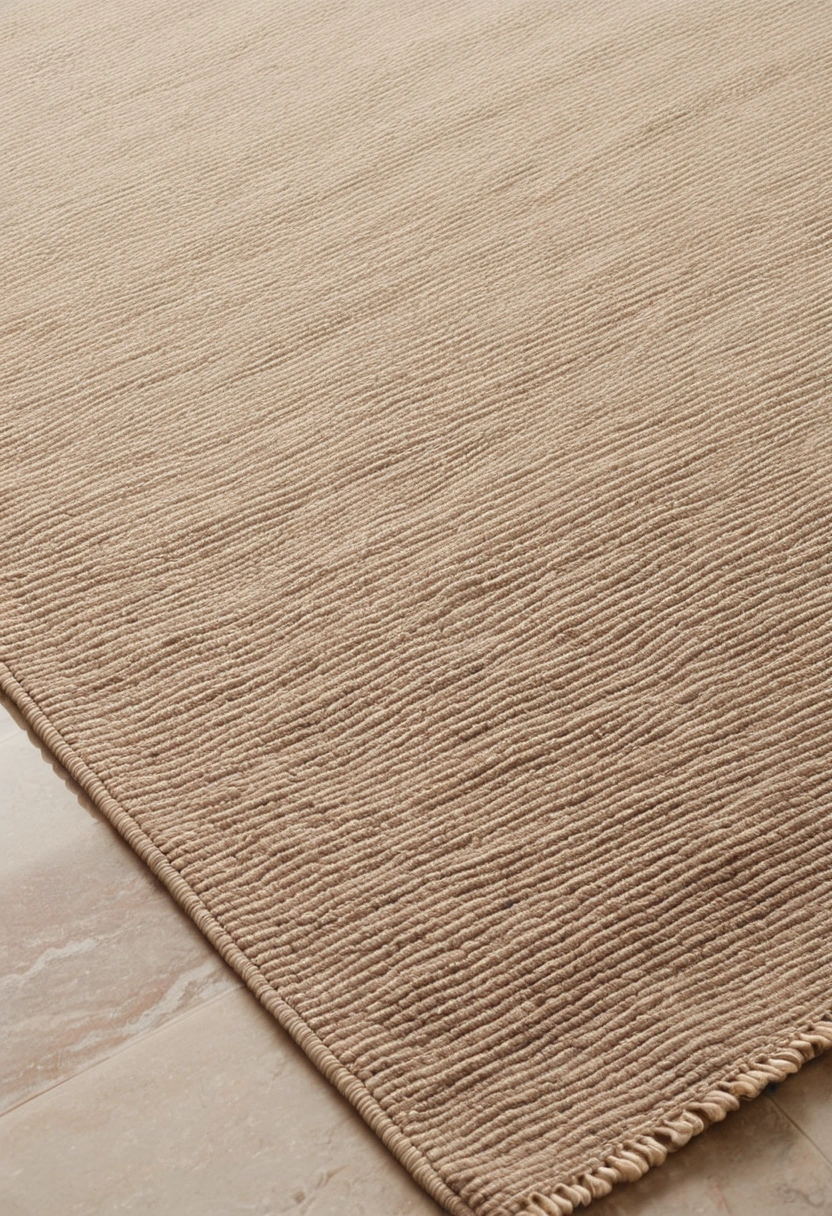
Rugs are how a stone flat stops sounding like a hotel lobby. A large flat weave under the seating zone takes the echo and the chill out of the room while staying cool enough for summer; deeper pile can wait for bedrooms; and every rug on stone wants a pad underneath unless you enjoy furniture that migrates. Rugs also do the zoning work that walls were never hired for, the trick that makes a long one-bed living room read as three rooms instead of one corridor.
Villas add their own footnotes. Ground floors sit on slabs that stay pleasantly cool most of the year, which stone exploits beautifully; large open rooms need movement joints your tiler should raise before you have to; and any porcelain continuing out to terraces and pool surrounds needs a proper slip rating, because polished stone plus wet feet is a genre of accident this city has already researched thoroughly.
The choice, reduced to a sentence each: marble if you can love a material with a memory, porcelain if you would rather the floor forgot, wood where your feet land first in the morning, and a rug on top of all of it. The nine-month summer wrote the shortlist long before you arrived.