North Light, Please: Villa Orientation in Dubai
Before mood boards and marble, a villa succeeds or fails on where it points. Reading the sun across a plot costs nothing on day one and pays, or punishes, for decades.
, Dubai
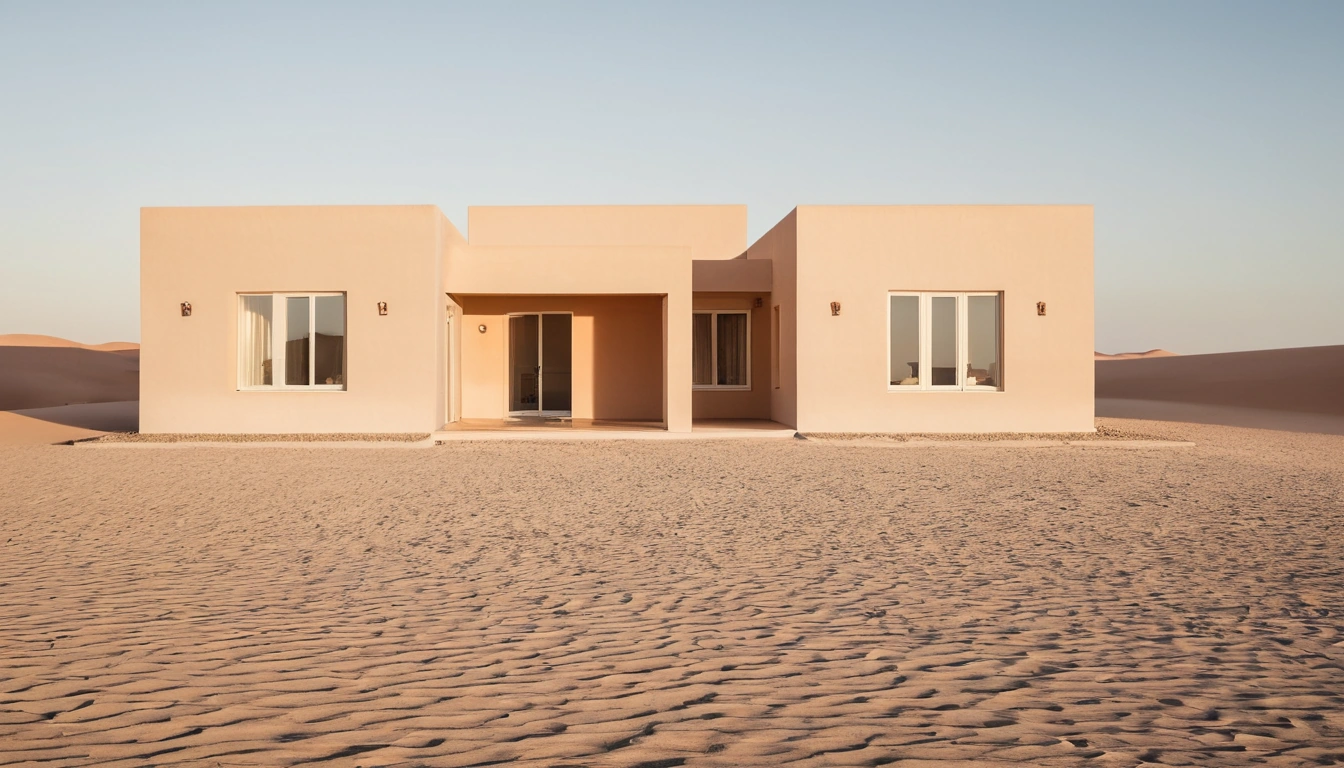
A plot in Dubai comes with paperwork, a hoarding and one permanent fact nobody prints on the title deed: where the sun will be, every hour, for the life of the house. Villa orientation in Dubai is the rare design decision that costs nothing at the moment it is made and then compounds for decades, in cooling bills, in glare, in whether the garden is usable at six in the evening. Get it right and the architecture runs on a quieter engine. Get it wrong and no glass coating or curtain fabric ever fully forgives it.
The Sun You Are Actually Dealing With
Dubai sits near 25 degrees north, and that latitude writes the script. In midsummer the noon sun stands almost directly overhead, which sounds vicious but is oddly manageable: a high sun strikes roofs rather than walls, and a modest horizontal overhang keeps it off south-facing glass. Winter reverses the geometry; the December sun stays low, swings through the southern sky and reaches deep into south rooms, which in January is a gift rather than a threat. Between the two sit shoulder seasons when the outside air is genuinely good and a well-oriented plan can simply open. The menace in this script is neither June nor December. It is every afternoon.
The West Wall Problem
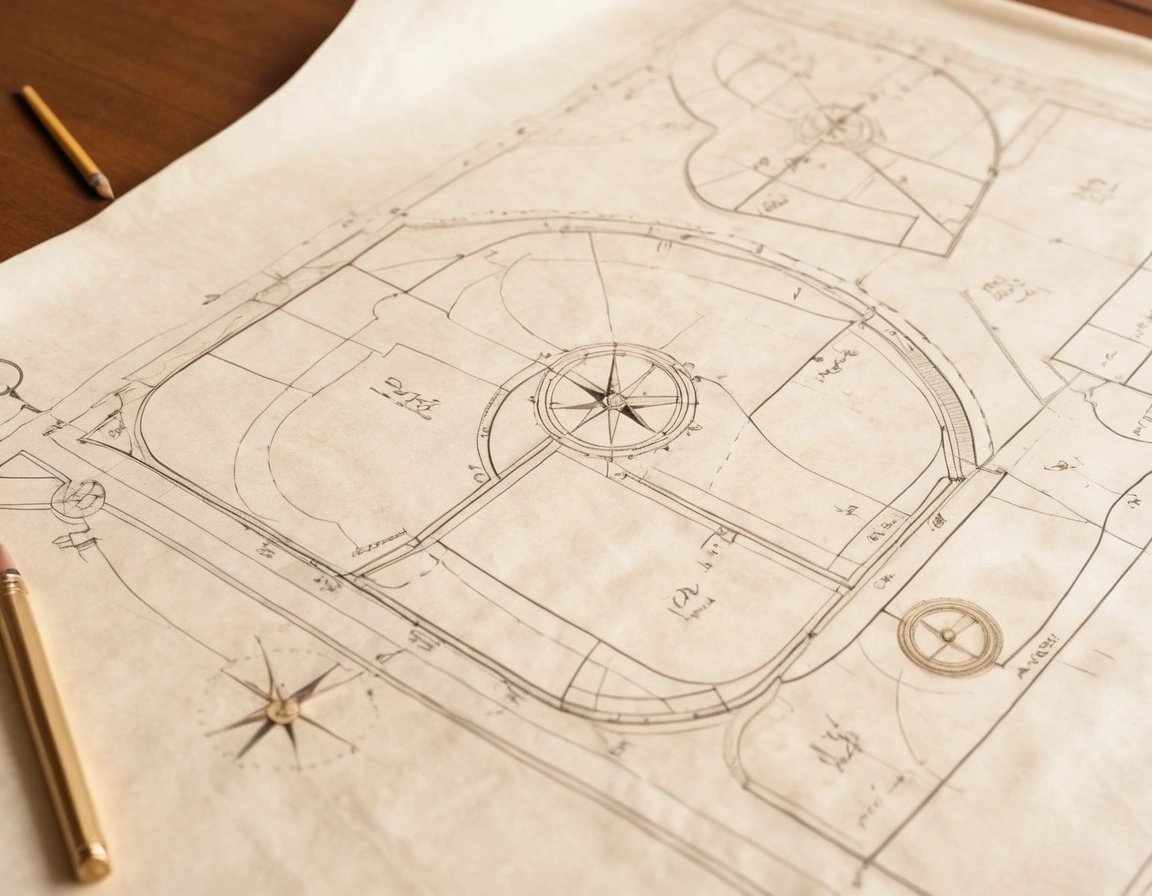
Western sun arrives low, late and loaded. By four o’clock it sits at an angle no overhang can block, the air has already spent eight hours warming, and the light enters horizontally, straight through any window that faces it and deep into the room behind, bringing glare that no ceiling design can rescue. West glazing therefore punishes twice: it delivers its peak solar gain at the hour of peak air temperature, then lets the heated floor and walls radiate on into the evening. Every square metre of west glass is a promise the air-conditioning must keep daily from May to October.
Treat the west as service territory. Garages, stair cores, laundries, bathrooms and storage tolerate heat and are only briefly occupied; lined along the western edge they become a sacrificial buffer for the rooms that matter. Where a plot forces living space westward, the defences are vertical rather than horizontal: fins, external screens, seriously specified solar-control glass, and window treatments built for this sun as the inner line of defence rather than the only one.
Where the Rooms Want to Sit
North is the aristocrat of orientations at this latitude. A north face receives almost no direct sun for most of the year and delivers steady, shadowless light all day, which is why studios chase it and why living spaces feel calm under it. The majlis, occupied mostly in the evening and owed the best of the house, sits naturally on the north or north-east: guests get even light, no glare, and a room holding no stored afternoon heat. Bedrooms favour east, taking the day’s gentlest sun at the one hour it is welcome and sitting cool by nightfall. Kitchens generate heat of their own and forgive harder positions, and south works well for family rooms when the overhang above the glass is sized properly.
A courtyard rewrites the whole exercise, because rooms can face inward onto manufactured shade instead of outward onto a compass problem; the case for an internal courtyard is at bottom an orientation case. The old city solved wind the same way it solved sun, with geometry that worked from every direction, and what the wind towers still teach about pressure, shade and thermal mass applies to any plot being read today.
Glass in Proportion
Ratios decide more than products do. Fully glazed walls belong to marketing renders; in this climate the share of glass on each face wants rationing, with figures often quoted in the range of 20 to 40 per cent of a facade depending on where it points. Spend the generosity on the north, be moderate on the east, discipline the south with overhangs sized to admit winter sun and exclude summer sun, and treat west glass as a delicacy served in small portions. Depth helps everywhere: glazing recessed into a thick wall shades itself for much of the day, and a shaded ordinary pane outperforms an exposed expensive one more often than any brochure admits.
The Pool Takes a Side
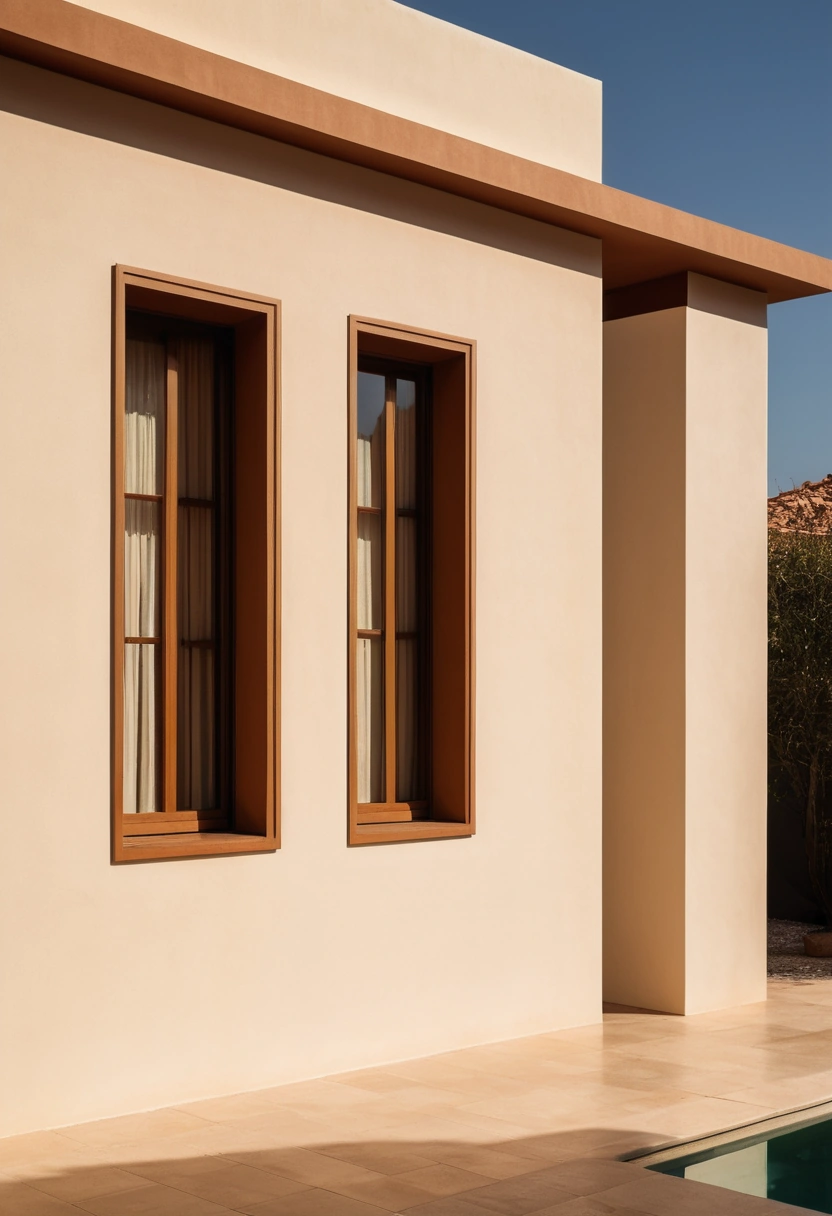
Water is the last decision and the most argued. A pool west or north-west of the house catches the evening light at the hour this city actually swims, after five, but the terrace beside it needs shade by then or it will be admired from indoors. Placed east of the house, a pool sits in comfortable shadow through the evening, cooler underfoot and kinder to swimmers, at the price of losing the sunset glitter on the water. There is no universally right answer, only a household’s honest schedule.
Planting follows the same logic. A garden reads the sun exactly as the house does, and a garden planned around the water bill wants its greenest, most-used corner where the building’s own shadow falls in the late afternoon, not roasting on the western boundary. Shade trees earn their water on the west; lawn, if there must be lawn, survives best where the house protects it.
None of this appears on a title deed, and none of it costs a dirham at the moment of decision. Stand on the plot at eight in the morning and again at five, note where the light comes from and what it lands on, and only then let anyone draw. The sun holds no opinion about your architecture; it will simply audit it, daily, for as long as the villa stands.