Facade Materials for Dubai Heat: What Survives August
Salt on the breeze, ultraviolet by the kilowatt and a wall that is one temperature at dawn and quite another by three. Choosing a facade here is choosing how a building will age.
, Dubai
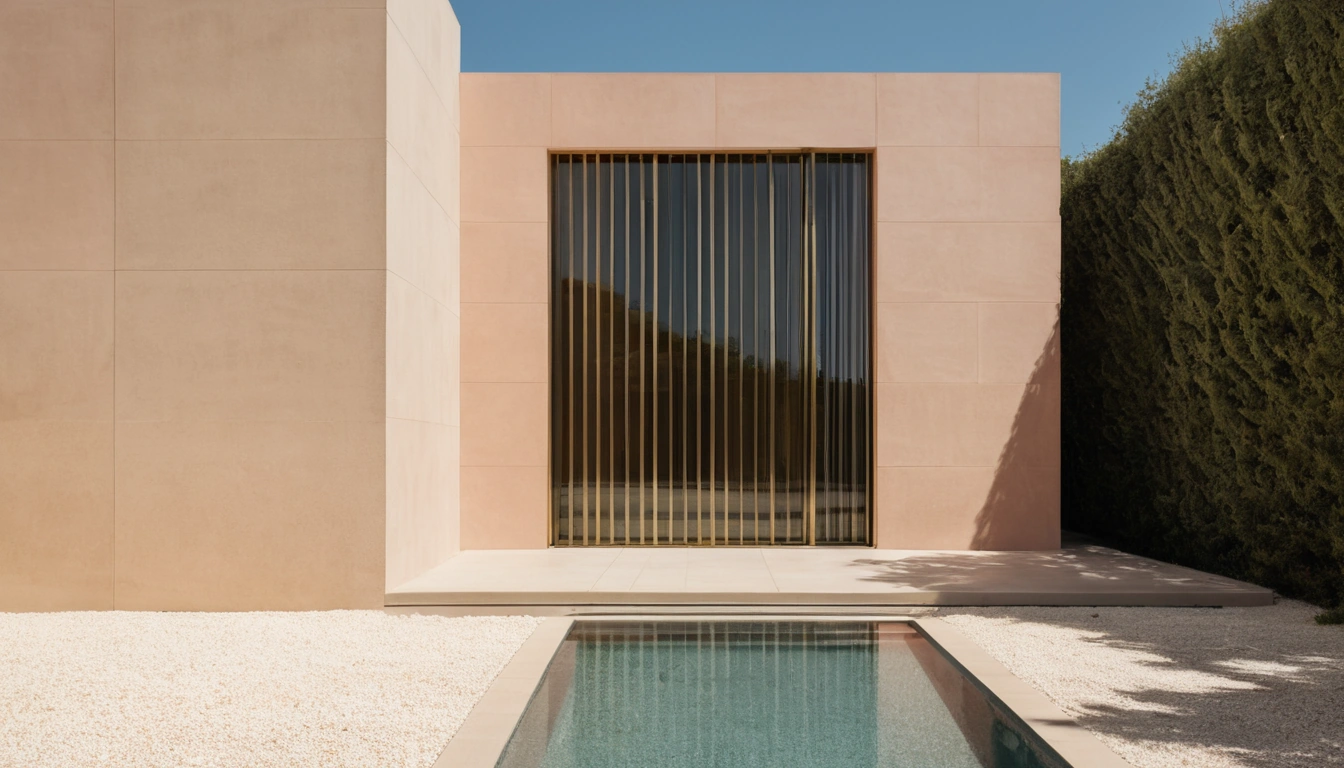
August is the honest month. Whatever the brochure promised, by mid-August a facade is telling the truth: render chalking to the touch, panels ticking as they expand, sealant slumping out of joints, stone blotched above the irrigation line. Choosing facade materials for Dubai heat is therefore less about how a wall photographs at handover than about what it will confess after thirty summers of 45-degree afternoons, salt haze drifting in off the Gulf, and ultraviolet strong enough to fade a paint chart in a single season.
The Physics of a Bad Afternoon
Three forces work a wall at once here. Heat is the obvious one: with air in the mid-forties, surfaces in full sun run far hotter still, dark colours hottest of all, and everything grows as it warms. Aluminium moves roughly twice as much as concrete for the same temperature change, so long panel runs, copings and window frames need joints designed for the journey rather than the destination. The second force is the daily cycle itself; a facade that swings through tens of degrees between dawn and mid-afternoon, thousands of times over, is being flexed like a paperclip. The third is chemistry: ultraviolet snapping the long molecules in paints, plastics and sealants, and airborne salt, worst near the coast, creeping into pores and attacking any fixing that is not stainless.
Render and GRC, the Workhorses
Most villas here wear render because it is affordable, repairable and relaxed about complicated shapes. It performs well when it is allowed to move: movement joints at sensible intervals, mesh reinforcement at stress points, and a breathable, UV-stable coating over the top. What ages it badly is the popular combination of dark colour and unbroken surface; the wall heats, hairline cracks arrive on schedule, dust settles into them, and the facade develops the grey veining of a building far older than it is. Owners often budget to recoat every five to eight years, and treated that way render ages like a shirt that gets ironed, ordinary but respectable.
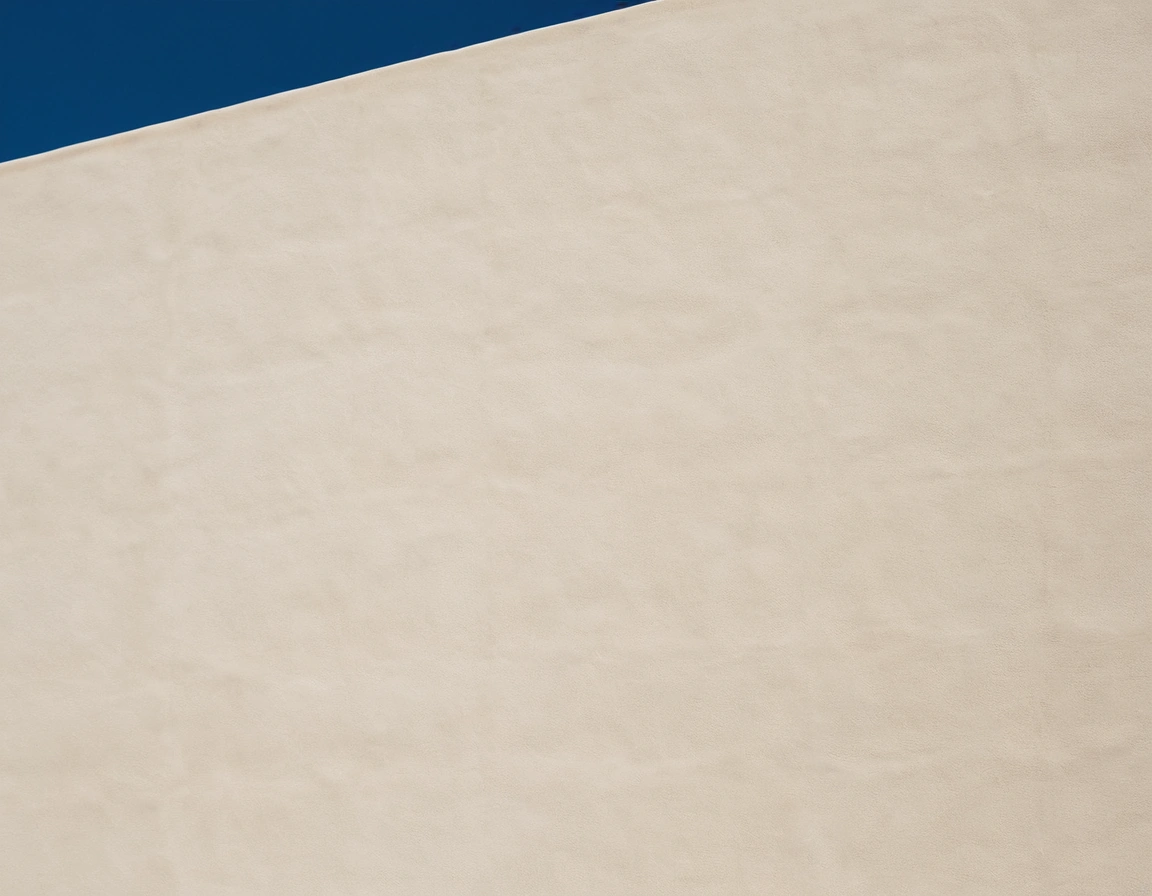
GRC, glass-fibre reinforced concrete, does the sculpted work render cannot: deep reveals, cornices, screens and the moulded profiles this market loves. The panels themselves last; the weak points are joints and fixings, because sealant in this sun has a working life measured in years, not decades. The maintenance logic is the same one behind the air-conditioning maintenance calendar: inspect on a schedule, not after a failure, because a failed joint feeds water and salt to everything behind it.
Stone, Weight and Honesty
Natural stone ages best and lies least, provided the geology suits the climate. Dense limestone and granite ignore ultraviolet entirely, since their colour is mineral rather than pigment, and they weather by slow mellowing rather than sudden failure. Porous stones are the trap: soft limestones and some travertines drink salt-laden moisture, then spall and powder as crystals grow inside their pores, and any stone near planting will map the sprinkler line in tide marks. Open-jointed, ventilated fixing on stainless anchors costs more and repays it, keeping the back of the stone dry and the wall inspectable.
None of this is new knowledge. The old builders worked with frankly porous coral stone and defended it with thick gypsum plaster renewed as a matter of routine; the barjeel houses of Al Fahidi treated the finish as maintenance, not as a miracle product. The same porosity arithmetic follows you indoors, where the marble versus porcelain question turns on how much water, acid and traffic a polished surface must forgive.
Aluminium, Composites and Coated Glass
Aluminium composite panels deliver the crisp flat planes contemporary elevations want, and their failures are equally crisp: colour fade where cheaper coatings meet south and west sun, oil-canning where fixings fight thermal movement, and edges that telegraph every economy made in the workshop. Coating chemistry is the quiet differentiator; better systems carry warranties often quoted between ten and twenty years, and the difference tends to show by year five. Core matters more than colour: after well-publicised tower fires, UAE fire rules tightened sharply on combustible panel cores, so for any recladding or new work the panel certificate is a life-safety document, worth confirming with your consultant and the municipality rather than taking on trust.
Coated and tinted glass does heavy thermal lifting on modern facades, and mostly does it well. Its honest failure modes are edge-seal loss, which shows as permanent fog trapped between panes, and thermal stress cracking where a dark pane sits half in shade and half in sun. Deep reveals and external shading protect glass as effectively as they protect the room behind it, which is one more argument for facades with relief and shadow rather than a sheer mirrored skin.
What Ageing Honestly Looks Like
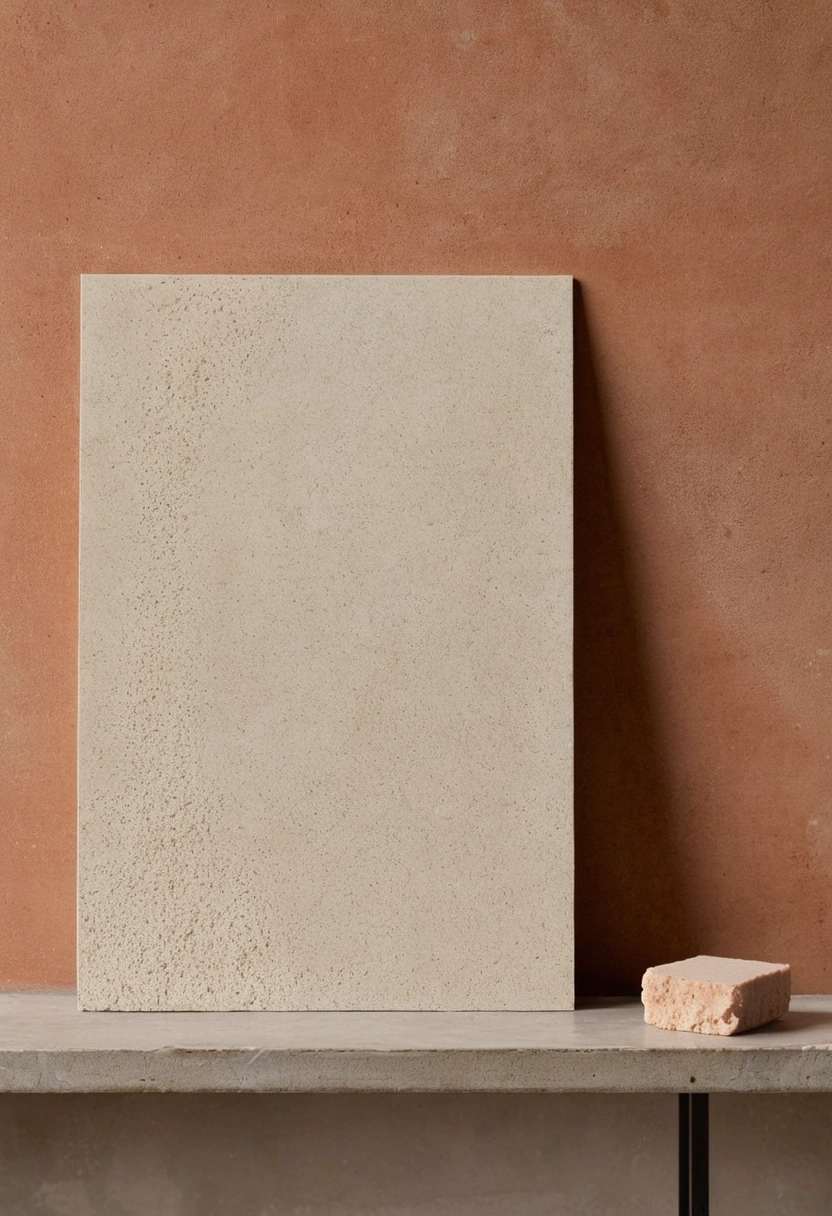
A useful test for any sample board: picture it after fifteen summers, not fifteen minutes. Stone mellows, quality render recoated on schedule stays crisp, anodised aluminium keeps its temper; these materials age honestly, the way linen creases. Ageing badly is different in kind, not merely degree: delaminating panels, chalked black render, peeling films and rusted fixings are not patina, they are failure on an instalment plan.
Budget accordingly, for the maintenance and not only the material, because in this climate the cheapest facade is the one whose upkeep was priced honestly on day one. Buyers meet the subject from the other side, since a facade’s first small confessions usually appear at handover, which is exactly what a properly fought snag list is for. August will run its audit either way; the only real decision is whether the building sits it with dignity.