Before You Knock a Wall: Renovation Approvals in Dubai
Apartments across the city are stripped back to concrete every week, most of them legally. The paperwork that makes it legal is shorter than its reputation, provided you start it before the contractor does.
, Dubai
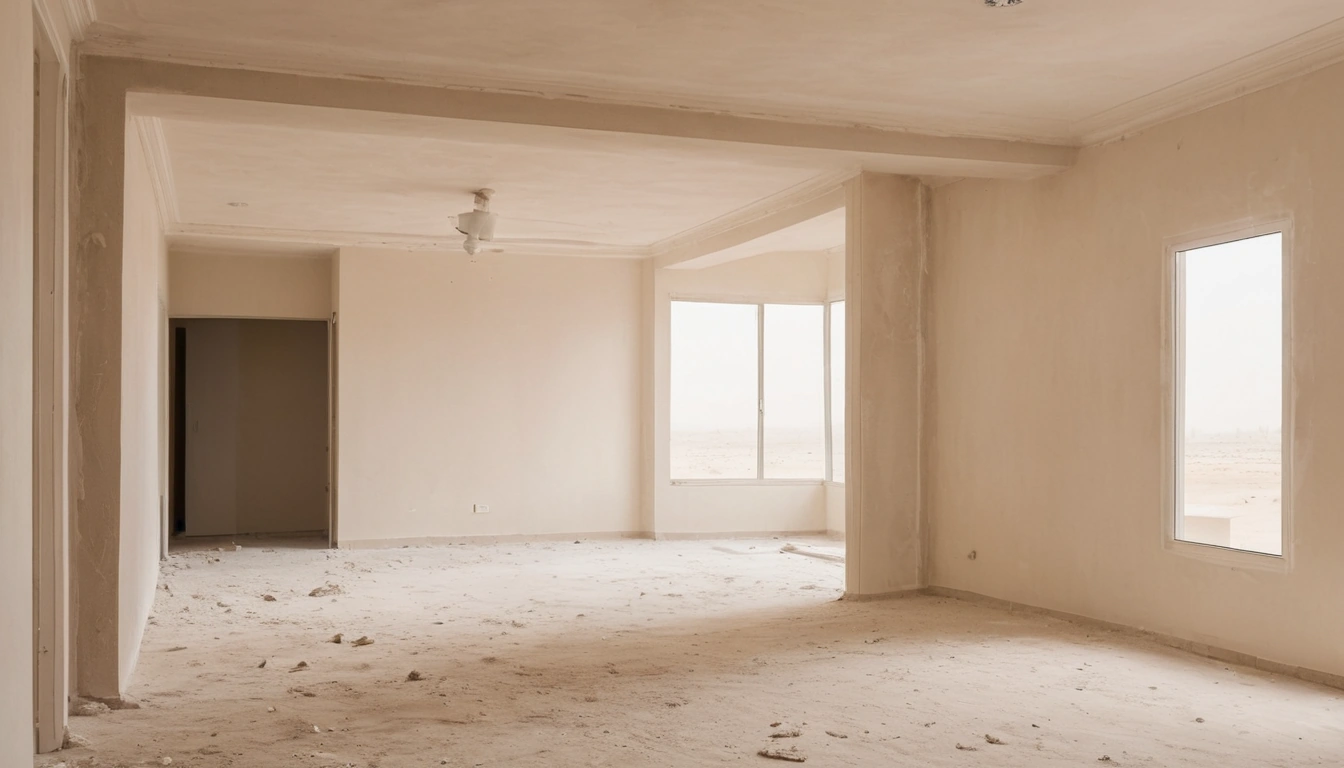
That wall between the kitchen and the living room looks like plasterboard. It might be. It might also be carrying part of a forty-storey load path, and the only people who know for certain are the ones holding the structural drawings. This, in a sentence, is why renovation approvals in Dubai exist. They are less a bureaucratic tax than a distributed sanity check on everyone who owns a drill, and the process rewards people who understand who signs what, in which order. What follows is orientation, not legal advice: the specifics genuinely vary by building, developer and authority, and the only version that counts is the one your own building confirms in writing.
Three signatures, in order
Start inside the building. The owners association, usually acting through its appointed management company, issues a no-objection certificate for works in your unit. This is the gate most people meet first, and it is where the building’s own fit-out guide lives: which hours contractors may work, which lifts they may use, what insurance they must carry. Some buildings hand over a tidy PDF; others hand over a phone number. Either way, nothing sensible happens before this conversation.
The developer often comes next, particularly in master-planned communities where the master developer keeps a say over anything visible from outside or connected to shared services. In some districts a free-zone authority stands in for parts of this chain; your management office will know which regime applies to your address, and asking costs nothing.
Dubai Municipality sits at the end of the chain for works that go beyond decoration. A licensed contractor typically obtains the municipal permit on your behalf, which is one of several reasons the building insists you use one. If your tower falls under a different authority, the same logic applies with different letterheads. Confirm the sequence for your own building before you rely on any of this, because buildings do reorder it.
Structural, wet or merely cosmetic
Painting, built-in wardrobes, light fittings and new floor finishes generally sit at the cosmetic end, and many buildings clear them with a light-touch NOC. Swapping one hard floor for another rarely troubles anyone as long as waterproofing stays intact, though the choice itself deserves thought; there is a whole argument about floor finishes that has nothing to do with permits.
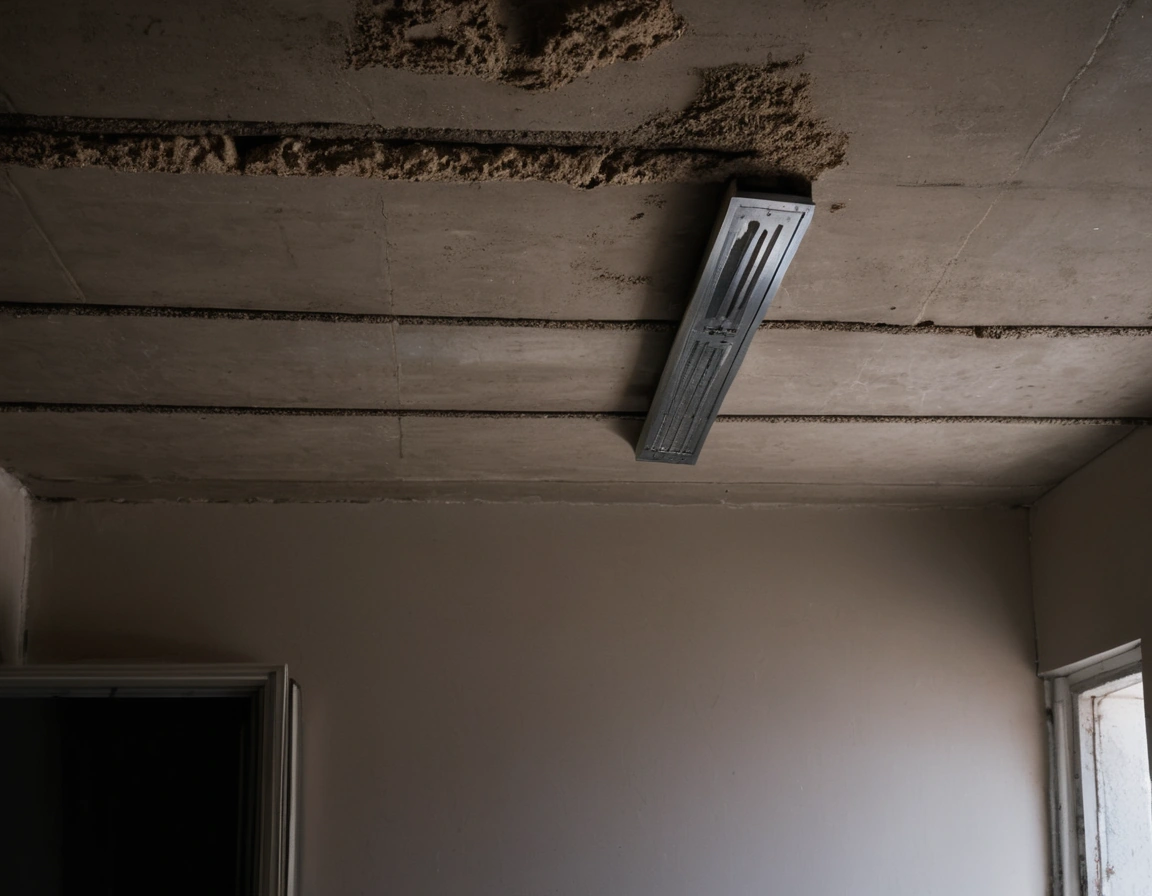
Everything changes the moment work touches structure or services. Removing or cutting any wall, moving a bathroom, altering drainage, relocating AC ducts or disturbing anything embedded in the slab moves you into permit territory, usually with drawings signed by a qualified engineer. The popular project of opening up a closed kitchen is the classic example: the wall in question often carries wiring, sometimes ducting, occasionally load. Nobody can tell from looking, which is exactly the point of the drawings.
Contractors, deposits and the working day
Most towers keep a list of approved or registered contractors, and even buildings without a formal list will insist on trade licences, insurance and municipality registration. Resist the urge to smuggle in a cheaper crew. The approved firms know the building’s quirks, and when something leaks two floors down, everyone will want to know who was on the list.
Expect a refundable fit-out deposit, commonly quoted in the low thousands of dirhams for an apartment, though every building sets its own figure and some scale it with the scope of work. Expect defined working hours too: many towers confine noisy work to weekday daytime windows and ban it outright on weekends, out of consideration for shift workers and home offices alike. The deposit usually comes back after a final inspection, so photograph the corridors and lift interiors before your first delivery, a habit that borrows from the checklist you used at handover.
Villas answer to different masters
A freehold villa removes the tower’s fit-out office from the equation but not the approvals themselves. Master communities publish their own modification guidelines covering extensions, pergolas, boundary walls and pools, and the community developer will want drawings before anything structural begins. Municipal permits still apply to structural work, and extensions bring setback rules and neighbour considerations into play.
Standalone plots in older districts deal more directly with the municipality, which some owners find simpler and others find slower. Either way the structural-versus-cosmetic distinction survives the move from tower to villa intact, and so does the advice to get every consent in writing before demolition day. Garden works carry their own wrinkle: anything that alters external drainage or grading is worth a question to the community office first.
What skipping it actually costs
The unauthorised route looks cheaper for exactly as long as nothing goes wrong. Then it looks very expensive. Buildings can stop work mid-project, and a stopped site with a half-demolished kitchen is a special kind of purgatory. Authorities can require reinstatement, meaning you pay once to remove a wall and again to put it back. Fines vary by authority and offence, so treat any number you hear quoted as folklore until confirmed.
Resale is the slower penalty. Unapproved alterations surface during buyers’ inspections and bank valuations, and missing paperwork can stall a transfer at the worst possible moment. Insurance adds another layer, since a claim traced to unauthorised works is a claim an insurer will happily contest. Even your cooling can join the bill: amateur ducting changes unbalance airflow in ways that surface later in the maintenance calendar your AC follows.
None of this is a reason to leave the flat alone. It is a reason to spend the first fortnight on paperwork and the rest on the build. Ask the management office what applies to your unit, use the contractors the building recognises, and confirm the details with your owners association or Dubai Municipality before committing money. The wall may well come down. The point is that everyone signs first.